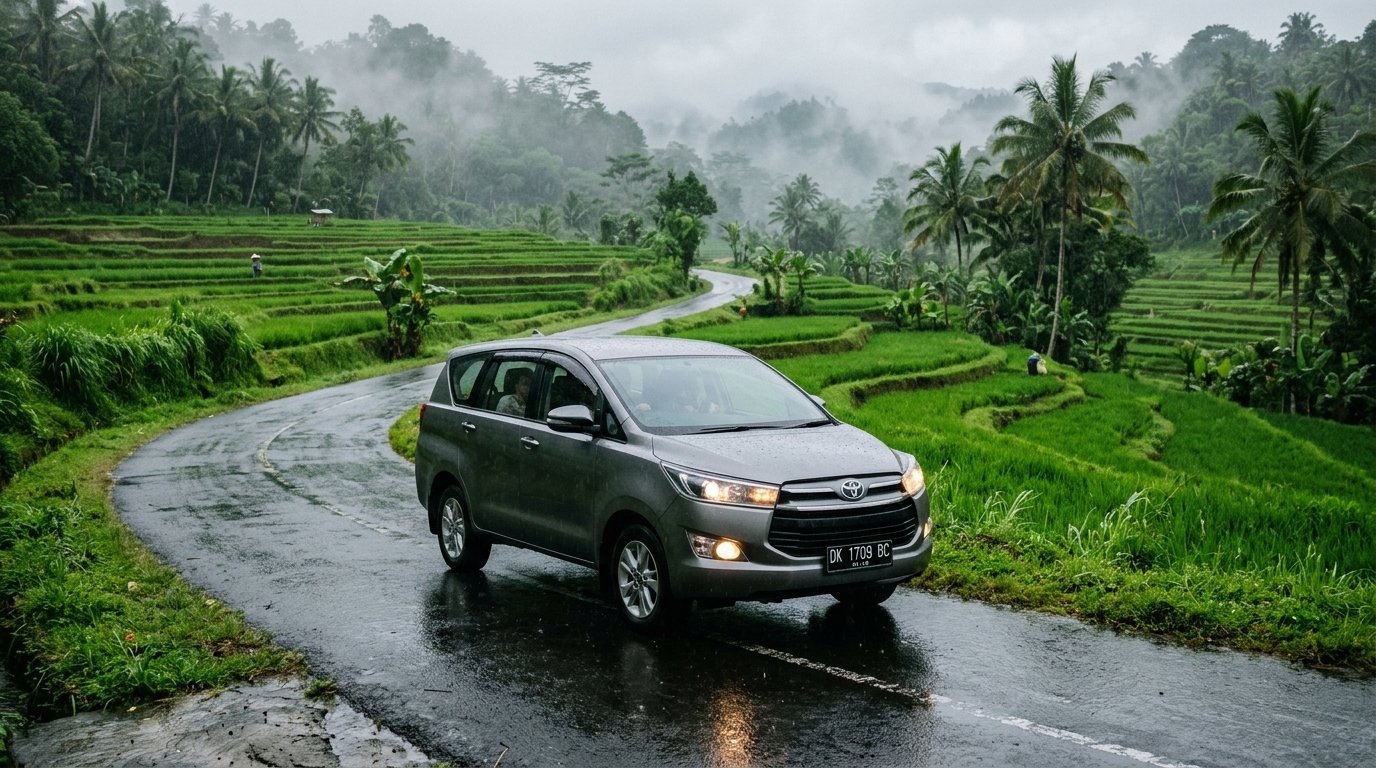
Many international travelers hesitate or cancel their trip plans the moment they hear the words "wet season". Visions of ruined beach days, soaked clothes, and endless grey skies often make people assume that a tropical getaway is off the table.
The reality is quite the opposite: traveling in Indonesia during the rainy season has a distinct, enchanting charm that you will never experience during the dry months. The archipelago's volcanic peaks, jungles, and cascading rice terraces transform into an intensely lush emerald paradise. Waterfalls roar at peak power, cool mountain breezes replace sweltering midday heat, and world-famous landmarks become peaceful havens without the crushing peak-season crowds.
Best of all, the rainy season coincides with the tourism low season, unlocking huge discounts on five-star villas, flights, and activities. In this 2026 guide, we break down what the Indonesian wet season is really like, why it is an incredible time to visit, and the essential tips you need to stay comfortable, dry, and safe.
1. Understanding the Rainy Season in Indonesia: What to Expect
Straddling the equator between the Indian and Pacific Oceans, Indonesia experiences two primary seasons driven by monsoon wind patterns: the dry season (typically April/May to September/October) and the rainy season (October/November to March/April).
Here are the key facts international travelers need to know:
- It Rarely Rains All Day: Unlike monsoon storms in colder temperate zones that lock you indoors for days, Indonesian tropical rain usually follows a predictable daily rhythm. Mornings are often bright, sunny, and clear. Heavy tropical downpours typically arrive in the mid-to-late afternoon, last for 1 to 2 hours, and then clear out in time for a pleasant evening dinner.
- Microclimates & Regional Differences: Indonesia spans over 17,000 islands. Mountainous highlands like Ubud, Bedugul, and Kintamani in Bali, or Puncak and Lembang in Java, experience more frequent showers and atmospheric mist than southern coastal strips like Seminyak, Sanur, or the Bukit Peninsula.
- Peak Tropical Beauty: If you are passionate about photography, wellness, or nature, the wet season is arguably the most picturesque time of year. Rice terraces are intensely green, flora is in full bloom, and rivers and waterfalls are at their absolute most dramatic.
💡 The Golden Rule of Wet Season Travel:
Plan your days around "Morning Outdoor, Afternoon Indoor". Schedule temples, waterfalls, and hiking between 7:30 AM and 12:30 PM when skies are brightest. After 1:00 PM, head towards indoor cultural sights, wellness spas, or cozy cafes.
2. 7 Essential Tips for a Comfortable Holiday in the Rainy Season
A comfortable tropical holiday comes down to smart packing, flexible pacing, and reliable transportation. Follow these 7 golden rules:
1. Check Daily BMKG Radar Forecasts
Before heading out each morning, consult Indonesia's official meteorological service (BMKG) via their mobile app or website. Their hourly satellite weather maps provide real-time cloud and rain tracking, allowing you to tweak your day's itinerary with total confidence.
2. Smart Packing: Waterproof Gear & Breathable Fabrics
Keep your essentials dry and comfortable by packing strategically:
- Waterproof Dry Bags: Essential for shielding expensive cameras, smartphones, power banks, and passports from sudden tropical downpours.
- Compact Umbrella & Quality Poncho: Keep a lightweight umbrella and breathable rain poncho in your daypack at all times.
- Quick-Dry Apparel & Light Windbreakers: Opt for moisture-wicking technical fabrics rather than heavy denim, which takes days to air dry in tropical humidity.
- Non-Slip Footwear: Wet cobblestones, temple steps, and muddy trails demand sandals or sneakers with deep rubber tread patterns to prevent slips.
3. Prioritize Safe Transport: Hire a Private Car with Driver
While renting a scooter is popular during sunny months, riding a two-wheeler in the wet season is hazardous. Wet roads become greasy, visibility drops drastically, sudden standing water hides dangerous potholes, and pulling over on narrow lanes to put on raincoats is stressful.
Booking a bali car rental with driver is widely recognized as the smartest decision during the rainy season:
- 100% Dry & Climate Controlled: You and your loved ones stay relaxed and cozy inside a spotless, air-conditioned vehicle regardless of what the weather is doing outside.
- Local Road Navigation: Experienced local drivers know which shortcuts tend to flood and can reroute seamlessly to save you hours of gridlock.
- Luggage & Shopping Protection: Keep your bags, dry clothes, and souvenir purchases completely safe and dry inside the car trunk while you explore.
- Door-to-Door Convenience: Your driver drops you right at attraction entrances and picks you up at the door, minimizing your exposure to the rain.
4. Curate "Rain-Friendly" Activities
Embrace activities that are elevated by the sound and ambiance of tropical rainfall:
- Traditional Balinese Spas: Listen to the soothing patter of raindrops while enjoying a 2-hour herbal floral bath, warm stone massage, or traditional body scrub.
- Volcanic Hot Springs: There is nothing more rejuvenating than soaking in naturally heated mineral waters (like Toya Devasya in Kintamani or Air Panas Banjar in North Bali) while the surrounding air is crisp and cool.
- Cultural Workshops & Cooking Classes: Spend a cozy afternoon learning Balinese culinary secrets, making silver jewelry in Celuk, or hand-crafting batik textiles.
- Art Galleries & Museums: Explore the rich historical heritage inside the Blanco Renaissance Museum, Puri Lukisan, or ARMA Museum in Ubud.
- Scenic Cafe Hopping: Unwind with single-origin Indonesian coffee in highland cafes overlooking mist-cloaked rice fields and lush valleys.
5. Keep a Flexible "Plan B" Itinerary
The golden mindset for tropical travel is flexibility. If sudden thunder rolls over your planned beach sunset, pivot seamlessly to an indoor seafood feast or a cultural dance performance in a covered pavilion. Having alternative stops in the same geographic zone prevents any sense of disappointment.
6. Stay Healthy & Indulge in Warm Indonesian Comfort Food
Fluctuating temperatures between air-conditioned interiors and tropical outdoor humidity can challenge your immune system. Keep vitamin C and herbal lozenges handy, drink plenty of bottled water, and take advantage of Indonesia’s legendary warming dishes:
- Wedang Jahe: A soothing hot ginger brew infused with palm sugar and aromatic spices.
- Soto Ayam: Fragrant turmeric-spiced chicken broth with glass noodles, fresh lime, and crispy shallots.
- Bakso Kuah: Steaming bowls of savory meatball soup loved across the islands.
7. Capitalize on Low-Season Travel Perks
Because overall tourist numbers dip between November and March (outside of the Christmas and New Year peak), you can secure incredible value:
- Nightly rates at luxury private pool villas and boutique resorts drop by 30% to 50%.
- Top Instagram spots (like Gates of Heaven or Tegallalang) have virtually zero lines early in the morning.
- Popular beach clubs and restaurants do not require weeks-in-advance reservations.
3. Top Indonesian Destinations That Shine in the Wet Season
| Destination | Why Visit in the Wet Season? | Recommended Highlights |
|---|---|---|
| Ubud & Central Bali | Vibrant emerald green rice terraces, tranquil wellness vibes, mystical morning mists. | Spa retreats, vegan cooking classes, art museums, lush valley cafes. |
| Kintamani & Bedugul (Highlands) | Cool alpine mountain air, dramatic caldera views, lake temples enveloped in mist. | Ulun Danu Beratan Lake Temple, Batur natural hot springs, specialty coffee roasters. |
| Yogyakarta (Central Java) | Rich royal heritage, cozy street-side culinary culture, romantic heritage charm. | Sultan's Palace (Kraton), indoor batik workshops, historic Malioboro night food stalls. |
| Bandung & Lembang (West Java) | Rolling green tea plantations, European-style cafe culture, thermal sulfur springs. | Sari Ater hot springs, tea estate walks, hearty Sundanese comfort food. |
Explore Bali in Any Weather with a Trusted Private Driver
Don't let tropical showers slow your holiday down. Travel in clean, air-conditioned comfort with friendly, English-speaking local drivers from Transport Service Bali. All-inclusive flat rates, zero deposit, and instant booking via WhatsApp.